
 11
11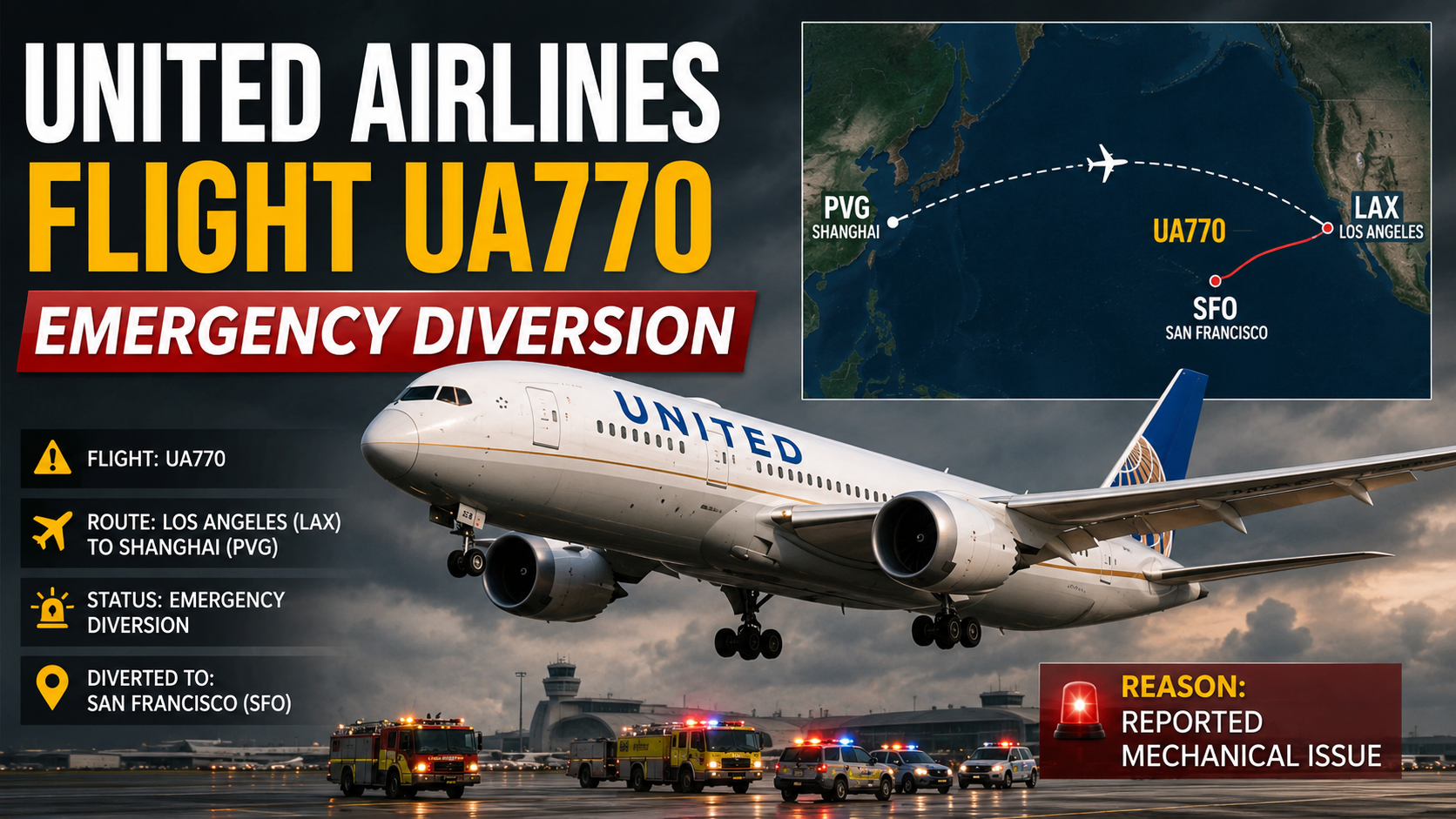
The aviation industry is known for its rigorous safety standards, but even the most routine flights can experience unexpected challenges. On a recent flight that captured widespread attention, United Airlines Flight UA770 experienced an emergency diversion that left passengers and aviation enthusiasts asking critical questions. Understanding the events surrounding this flight not only provides insight into airline procedures but also highlights the meticulous protocols that ensure passenger safety. This article explores the United Airlines Flight UA770 Emergency Diversion, examining the reasons, the response, and the broader implications for air travel safety.
United Airlines Flight UA770 is a transcontinental route operated by one of the largest U.S.-based carriers, connecting major cities with a fleet of modern aircraft. The flight typically operates on a fixed schedule, offering passengers convenience and reliability. On the day of the incident, Flight UA770 departed as planned, with passengers on board expecting a standard journey. However, mid-flight, the aircraft encountered a situation severe enough to necessitate an unscheduled landing, an action airlines only take under carefully regulated emergency circumstances.
Flight diversions, while alarming to passengers, are part of an airline’s comprehensive safety strategy. Pilots and crew are trained extensively to respond to in-flight emergencies, from minor technical malfunctions to medical crises, and to make decisions that prioritize passenger safety above all else. The UA770 emergency diversion serves as a case study in how airlines implement these protocols in real-time situations.
An emergency diversion occurs when a flight is redirected from its original destination to an alternate airport due to unforeseen circumstances. Reasons can range from mechanical failures, medical emergencies, adverse weather, or security threats. For passengers, the experience is often stressful, but from an operational perspective, emergency diversions are routine procedures that airlines handle with precision.
In the case of United Airlines Flight UA770, the emergency diversion was initiated based on the aircraft crew’s assessment of a situation that could potentially compromise safety if the flight continued as scheduled. Diversions are guided by strict aviation regulations and involve coordination with air traffic control, ground emergency services, and airline operations teams. This structured approach ensures minimal risk to passengers and crew while addressing the issue efficiently.
The incident on Flight UA770 unfolded with a series of decisive actions by the flight crew. Shortly after reaching cruising altitude, the pilots identified an anomaly that warranted immediate attention. Standard operating procedures dictated that the crew evaluate the situation, communicate with air traffic control, and determine the safest course of action.
Passengers reported that the cabin crew provided timely updates, maintaining calm and order throughout the unfolding situation. Within a matter of minutes, a decision was made to divert to the nearest suitable airport, ensuring that any potential risk could be mitigated on the ground with access to full emergency services. The timeline of the diversion illustrates the professionalism of the airline’s staff and the robustness of emergency response protocols in aviation.
While specific details about the United Airlines Flight UA770 Emergency Diversion are closely monitored for investigation and safety reporting purposes, publicly available information indicates several common factors that could necessitate such a maneuver. Technical malfunctions, particularly those related to engines, hydraulics, or navigation systems, are among the most critical triggers for diversions. Additionally, medical emergencies involving passengers require immediate attention, often compelling the crew to land at the nearest airport with adequate medical facilities.
In some cases, environmental conditions, such as sudden severe turbulence or unexpected weather changes along the flight path, may also prompt a diversion. Each of these scenarios requires a rapid assessment to determine whether continuing the flight poses unacceptable risk. The pilots of UA770 acted decisively, ensuring that passenger welfare was the foremost priority.
For those on board Flight UA770, the emergency diversion was understandably stressful. However, airline crews are trained to manage passenger concerns and maintain order during emergencies. Communication plays a critical role; frequent updates from the flight deck and cabin crew help reduce anxiety and provide reassurance that the situation is under control.
Reports from passengers highlighted the calm demeanor of the crew and their adherence to safety protocols. Safety demonstrations, emergency procedures, and clear instructions ensured that passengers were informed and prepared for the unexpected landing. This level of professionalism underscores why trained crews are essential to managing in-flight emergencies effectively.
A successful emergency diversion is not solely the responsibility of the flight crew; it requires seamless coordination with air traffic control (ATC). Upon identifying the issue, the UA770 pilots immediately notified ATC, providing information on the nature of the emergency, current location, altitude, and fuel status. ATC then cleared the aircraft for landing at an appropriate diversion airport and coordinated airspace to prioritize the flight’s safe approach.
Ground emergency services at the diversion airport were alerted in advance, ensuring that medical personnel, fire crews, and technical staff were ready to respond immediately upon landing. This collaborative effort highlights the extensive planning and communication inherent in aviation safety systems, which are designed to handle emergencies with precision.
Following any emergency diversion, airlines and aviation authorities conduct thorough investigations to determine the root cause and assess response effectiveness. For United Airlines Flight UA770, this involves reviewing flight data recorders, maintenance logs, crew reports, and passenger accounts. Investigators analyze mechanical systems, weather conditions, and any operational factors contributing to the incident.
The findings from these investigations are critical, not only for understanding the specific incident but also for improving future safety measures. Airlines may implement changes to training, maintenance procedures, or operational protocols based on lessons learned, reinforcing the aviation industry’s commitment to continuous safety improvement.
The emergency diversion of Flight UA770 serves as a reminder that safety remains the highest priority in commercial aviation. While such events can cause delays and inconvenience, they also demonstrate the effectiveness of existing safety protocols. Passengers can take reassurance in knowing that airlines, pilots, and ground crews operate within a framework designed to handle emergencies competently.
Moreover, incidents like these often lead to increased scrutiny and enhancements in airline safety standards. Regulatory agencies, such as the Federal Aviation Administration (FAA) in the United States, monitor diversions closely to ensure compliance with safety regulations. In doing so, they contribute to making air travel one of the safest modes of transportation worldwide.
Several key lessons emerge from the United Airlines Flight UA770 Emergency Diversion. First, proactive decision-making by the flight crew is vital in minimizing risk. Second, effective communication with passengers and air traffic control ensures coordinated, timely responses. Third, the integration of advanced technology, training, and operational protocols collectively mitigates the impact of in-flight emergencies.
For passengers, the experience underscores the importance of following crew instructions and understanding that diversions are implemented to protect lives, not as punitive or arbitrary measures. The aviation industry consistently demonstrates that emergencies, while rare, are managed with the utmost professionalism and care.
The United Airlines Flight UA770 Emergency Diversion highlights the complexity and precision of airline safety procedures. From the initial identification of a potential issue to the safe landing at an alternate airport, every step reflects the professionalism and training of aviation personnel. While passengers may experience anxiety during such events, they also witness the robustness of systems designed to prioritize safety above all else.
By analyzing incidents like UA770, the aviation industry continues to refine its practices, ensuring that emergency diversions are executed efficiently and safely. Passengers, regulators, and airlines alike can draw confidence from the rigorous protocols and collaborative efforts that define modern air travel. In the end, the successful management of this emergency diversion reinforces that in aviation, preparedness and response are key to safeguarding lives and maintaining trust in commercial flight operations.